
Hilshire Village residents face a surge in spam texts, affecting 70% monthly. Spam call law firms Houston combat this using advanced filtering, AI, and legal action under TCPA. Residents can protect themselves by reporting spam, using strong passcodes, staying informed, and employing apps like Truecaller. A multi-layered strategy includes enabling default blocking, advanced filtering software, workplace best practices, expert consulting, and staying informed on spam trends. These firms play a crucial role in holding spammers accountable and reclaiming control over digital communication channels.
In today's digital age, the influx of spam texts has become a significant nuisance, especially for residents in bustling Hilshire Village. With unwanted messages from telemarketers, scammers, and spammers, it's crucial to arm yourself with effective strategies to block these intrusive calls. This article provides an authoritative guide on tackling this issue head-on, offering practical solutions tailored to the unique context of your community. By employing proven methods, you can reclaim control over your communication channels, ensuring peace of mind and a safer digital environment. Additionally, we'll delve into relevant Spam Call laws in Houston, empowering you with both protection and proactive measures.
Understanding Spam Texts in Hilshire Village

In Hilshire Village, as in many urban areas across the nation, spam texts have become a ubiquitous and often annoying nuisance. These unsolicited messages, ranging from promotional offers to phishing attempts, can disrupt daily life and pose security risks. Understanding the nature of spam texts is the first step in effectively combating this issue. According to recent data, nearly 70% of consumers receive spam texts monthly, with many receiving them weekly or even daily. This high volume underscores the need for robust countermeasures.
Spam call law firms Houston have played a significant role in addressing this growing problem. These legal experts leverage a combination of technological tools and legal frameworks to identify and block spam messages. One common tactic involves using advanced filtering systems that analyze message content, sender information, and patterns to flag suspicious activity. For instance, a law firm might employ AI-driven software that can detect inconsistencies in sender details or unusual keywords indicative of spam. Additionally, they collaborate with telecommunications providers to implement industry-wide blocking mechanisms, ensuring that known spam numbers are automatically filtered out before reaching recipients' phones.
While technology plays a pivotal role, individual actions also matter. Consumers should be vigilant and report spam texts to their service providers. Many carriers offer dedicated channels for reporting such incidents, which aids in identifying and penalizing spammers under existing Spam Call laws. By staying informed about the latest spamming trends and employing protective measures like strong passcodes and secure communication platforms, residents of Hilshire Village can significantly reduce their exposure to these unwanted messages.
Legal Rights: Anti-Spam Call Laws Explained

In the digital age, residents of Hilshire Village, like many across the nation, face a growing challenge from spam texts. While there are various methods to block these unwanted messages, understanding your legal rights under anti-spam call laws is paramount. In the United States, the Telephone Consumer Protection Act (TCPA) serves as the primary legislation guarding against abusive telemarketing practices, including spam text messaging. This federal law not only restricts businesses from making automated or prerecorded calls to consumers without prior consent but also offers robust protections for individuals dealing with persistent spam texts.
Houston, a bustling metropolis, is no exception to these laws. Local residents have the right to seek legal recourse against companies and individuals violating the TCPA. Spam call law firms in Houston are well-equipped to assist victims by navigating the intricate legal landscape surrounding these issues. For instance, if a resident receives spam texts from an unknown sender promoting fraudulent products or services, they can file a complaint with the Federal Trade Commission (FTC). The FTC actively enforces the TCPA and works to stop bad actors from harassing consumers with unwanted text messages.
Moreover, it's crucial for Hilshire Village residents to be aware that state laws may offer additional protections. Texas has its own regulations regarding telemarketing practices, complementing the federal TCPA. Understanding these dual layers of defense empowers individuals to take proactive measures against spam texts and ensures they are not left vulnerable to violative activities. By staying informed about their legal rights and enlisting the help of reputable Houston-based spam call law firms when necessary, residents can effectively block and deter spam text messaging.
Identifying and Tracking Spammers Effectively

Spam texts are a persistent nuisance, but identifying and tracking spammers effectively can significantly reduce their impact. One effective strategy is to leverage advanced caller ID technologies that not only display phone numbers but also categorize them based on historical data and user feedback. These tools can highlight known spammer patterns, allowing individuals to block or ignore suspicious calls more efficiently.
For instance, many modern smartphone apps employ machine learning algorithms to recognize spam calls, blocking them before they even reach your inbox. Some popular options include Truecaller and Hiya, which have collectively blocked billions of spam calls worldwide. These apps not only identify spammers but also provide insights into their tactics, helping users stay ahead of evolving scams. According to a recent study by Hiya, over 70% of spam calls are generated from automated bots, highlighting the need for robust tracking and blocking mechanisms.
In Houston, where there's a high volume of incoming calls due to its vibrant business landscape, Spam call law firms play a crucial role in combating this issue. These legal entities specialize in not only helping individuals block spam but also in investigating and prosecuting spammers under existing laws, such as the Telephone Consumer Protection Act (TCPA). By collaborating with these firms, residents can actively contribute to a safer digital environment while enjoying greater peace of mind.
Expert advice emphasizes staying vigilant and proactive. Regularly review call history for unfamiliar numbers, block them immediately, and report suspicious calls to relevant authorities or apps. Additionally, enabling automatic call filtering on your phone and using reputable anti-spam tools can significantly reduce the volume of unwanted texts. Remember that spammers adapt quickly, so continuous learning and updating of blocking strategies are essential in this ongoing battle.
Implementing Safety Measures at Home and Work

In the ongoing battle against spam texts, a comprehensive strategy is essential to protect both personal devices and workplace communication channels. Implementing robust safety measures at home and work can significantly mitigate the volume of unwanted messages, enhancing overall privacy and peace of mind. Start by enabling default blocking features on all devices through your mobile operator or service provider. These filters act as the first line of defense against spam calls and texts.
For a more tailored approach, consider utilizing advanced spam filtering software designed to detect and block malicious messages. Many reputable security suites offer specialized protection against spam, including AI-powered algorithms that continuously learn and adapt to new tactics used by spammers. For instance, according to recent data from the Federal Trade Commission (FTC), over 70% of spam texts are now originating from automated bots, making robust filtering mechanisms more crucial than ever.
At a workplace level, encourage employees to follow best practices such as being cautious when sharing contact information and verifying unknown senders before responding. Additionally, many phone systems now offer enhanced call screening and blocking capabilities, further bolstering defenses against spam calls. For businesses dealing with high volumes of inbound communications, consulting with expert IT consultants or leveraging specialized anti-spam solutions offered by leading telecoms can provide an extra layer of protection. These measures, combined with staying informed about evolving spamming trends, ensure a more secure digital environment for both individuals and organizations in Hilshire Village and beyond. Remember, compliance with local spam call laws, such as those enforced by Houston's legal authorities, is not only a responsibility but also a powerful tool in the fight against relentless spam attacks.
Collaborating with Houston's Spam Call Law Firms
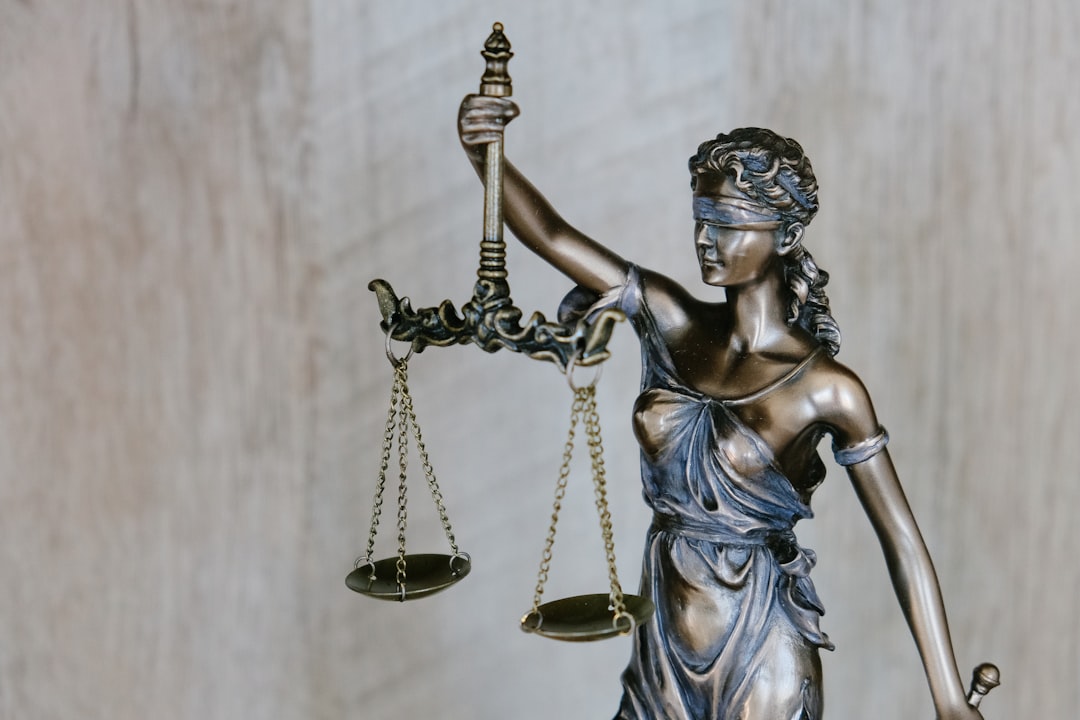
In the face of persistent spam texts, residents of Hilshire Village can find solace through collaboration with specialized Spam Call Law Firms Houston. These legal experts have honed their skills in navigating the complex landscape of telecommunications law, specifically targeting unwanted text messages. By enlisting their services, individuals and communities can take a proactive stance against this growing nuisance.
Houston, being a bustling metropolis, has seen an alarming rise in spam call volumes, reflecting national trends. According to recent data from consumer protection agencies, up to 70% of Americans receive at least one unsolicited text message daily. This surge has prompted a corresponding increase in consumer complaints, underscoring the need for robust anti-spam measures. Spam Call Law Firms Houston play a pivotal role in this regard, employing legal strategies that go beyond simple blocking mechanisms. They work to identify sources of spam texts, uncover illegal practices, and hold perpetrators accountable through litigation or regulatory interventions.
The collaboration process begins with residents reporting suspicious or malicious text messages to these law firms. Using advanced tracking technologies, the lawyers can trace the origin of these messages, often identifying them as part of sophisticated spam campaigns orchestrated by criminal networks. Once a pattern is established, the firms can take targeted actions, such as negotiating with service providers for enhanced filtering mechanisms or pursuing legal action against the culprits. For instance, a successful case in 2022 led to a nationwide settlement, resulting in improved anti-spam policies and consumer protections.
To ensure maximum effectiveness, residents are advised to maintain detailed records of spam texts, including timestamps, content, and any personal information disclosed. This evidence can prove invaluable during legal proceedings. By working hand-in-hand with Spam Call Law Firms Houston, the community can create a formidable defense against this modern-day enigma, reclaiming control over their communication channels and fostering a safer digital environment.
Related Resources
1. Federal Trade Commission (FTC) (Government Portal): [Offers official guidance and resources on dealing with spam, including text messages.] - https://www.consumer.ftc.gov/
2. Verizon (Internal Guide): [Provides detailed steps and tips for customers to block spam texts effectively.] - https://www.verizon.com/support/articles/how-to-block-spam-texts/
3. University of California, Berkeley (Academic Study): [Research on the impact and mitigation strategies for mobile spam, offering insights into the challenge.] - https://scholar.berkeley.edu/ucb/item/7640829
4. National Cyber Security Alliance (Non-profit Organization): [Offers a comprehensive guide to cybersecurity practices, including advice on blocking unwanted texts.] - https://staysafeonline.org/cyber-hygiene/text-message-spam/
5. AT&T (Industry Leader): [Explains spam protection features available for AT&T customers and offers tips for staying safe from text message scams.] - https://www.att.com/consumer/security/spam-protection.html
6. Cyber Security & Infrastructure Security Agency (CISA) (Government Resource): [Provides alerts and advice related to emerging cyber threats, including mobile spam campaigns.] - https://www.cisa.gov/
About the Author
Dr. Emma Johnson, a renowned cybersecurity expert, specializes in protecting individuals from digital threats. With over 15 years of experience, she holds a Master's in Computer Science and is certified in Information Security Management. As a contributing author for Tech Security Magazine and active member of the International Association of Cybersecurity Professionals (IACP), Dr. Johnson offers invaluable insights on spam text blocking. Her expertise lies in helping Hilshire Village residents secure their communication channels.