
Houston residents face a surge in spam text messages, with legal protections under Texas law (Open Meeting Act, TCPA) and federal regulations (TCPA). Key actions include registering with the do-not-call registry, reporting spam, blocking calls/texts on devices, using third-party apps, and consulting a Spam Call law firm Houston for official action against persistent or fraudulent spammers.
Houston residents face a growing challenge with the surge of spam texts, posing a significant nuisance and potential security risk. As communication channels evolve, so do malicious tactics employed by spammers, making it imperative to understand and mitigate these intrusions. This article serves as a comprehensive guide, offering practical strategies to protect against unwanted text messages, especially in light of the Spam Call law firm Houston's efforts to safeguard consumers' rights. By unraveling common spamming techniques, we empower residents with knowledge, enabling them to take proactive measures and maintain privacy.
Understanding Houston's Spam Call Laws

Houston residents face a persistent challenge from spam texts, which has led to a significant rise in consumer complaints. Understanding Houston's Spam Call Laws is crucial for protecting your privacy and combating this nuisance. Texas, including Houston, has implemented strict regulations to combat unsolicited telephone marketing calls, also known as robocalls and spam texts. These laws are designed to empower consumers and give them control over their communication preferences.
The Texas Open Meeting Act and the Telephone Consumer Protection Act (TCPA) form the legal framework for addressing spam call issues. A notable aspect of these laws is the do-not-call registry, which allows individuals to register their phone numbers to opt-out of telemarketing calls. This simple step can significantly reduce the volume of unwanted messages. It's worth noting that a Spam Call law firm in Houston can offer specialized guidance on navigating these regulations and ensuring compliance. For instance, businesses must obtain explicit consent before initiating automated calls or texts, and they are prohibited from using prerecorded messages without certain exceptions.
Data from consumer protection agencies reveals a significant number of spam-related complaints, emphasizing the need for residents to be vigilant. To stay protected, Houston residents should familiarize themselves with their rights under these laws. This includes knowing how to register complaints against persistent spam texts and understanding the legal avenues for seeking redress. By staying informed and exercising their rights, residents can contribute to a cleaner communication environment and reduce the impact of unwanted spam calls.
Identifying and Reporting Unwanted Texts

Houston residents face a constant barrage of spam texts, making it crucial to identify and report these unwanted messages effectively. According to recent studies, over 70% of Americans receive spam calls or texts daily, highlighting the need for proactive measures. A Spam Call law firm Houston has emphasized that understanding how to recognize and report these messages is an essential step in protecting personal privacy and curbing intrusive marketing tactics.
One of the most effective ways to combat spam texts is by educating yourself on common patterns. Spammers often use automated systems to send out mass messages, often with generic or personalized content designed to entice recipients into responding. For instance, you may receive a text claiming to be from your bank, urging you to verify your account details by clicking a link. Legitimate financial institutions rarely initiate such communications, making it a clear indication of spam. Additionally, looking for urgent language or threats can help identify phishing attempts, where spammers aim to trick users into revealing sensitive information.
Reporting these messages is a powerful tool in the fight against spam. Many mobile carriers offer services that allow users to block and report unwanted texts. For example, AT&T provides a 'Report Spam' feature within its network, enabling customers to forward suspicious messages for analysis. These reports aid carriers in identifying patterns and facilitating legal actions against persistent spammers. Engaging with a Spam Call law firm Houston can provide further guidance on reporting mechanisms and the legal protections available under the Telephone Consumer Protection Act (TCPA). By combining awareness, vigilance, and active reporting, Houston residents can significantly contribute to creating a safer digital environment.
Protecting Your Phone: Tools & Settings

Houston residents, like many across the country, face a growing nuisance from spam texts, also known as unsolicited marketing messages. While it's challenging to completely eliminate these irritants, there are robust tools and settings available to protect your phone and minimize their impact. A prominent Spam Call law firm in Houston emphasizes that understanding and utilizing these features can empower individuals to reclaim control over their communication channels.
One effective strategy involves configuring your device's call blocking and filtering options. Modern smartphones offer built-in features to block spam calls, allowing you to create whitelists and blacklists of contacts. For instance, iPhone users can utilize the "Allow Calls From" feature to specify trusted sources, while Android devices often include apps like Google Call Screen that analyze incoming calls and filter out known spammers. Engaging these settings acts as a first line of defense against unwanted text messages.
Additionally, registering with the National Do Not Call Registry is a powerful step. This federal list restricts telemarketers from contacting you, though it may not block all spam texts. Nevertheless, it's an essential measure that demonstrates a collective effort to combat intrusive marketing practices. The Texas Attorney General's Office encourages residents to take advantage of this free service as part of their broader strategy to protect against spam calls and messages.
For advanced protection, consider employing third-party apps designed specifically to block spam. These applications leverage machine learning algorithms to identify and filter out malicious texts, offering a more comprehensive solution. While some apps are free, others provide enhanced features for a fee. A reputable Spam Call law firm in Houston recommends evaluating app reviews and functionalities before selecting one that aligns with your privacy needs.
Legal Rights: What to Do When Spammed
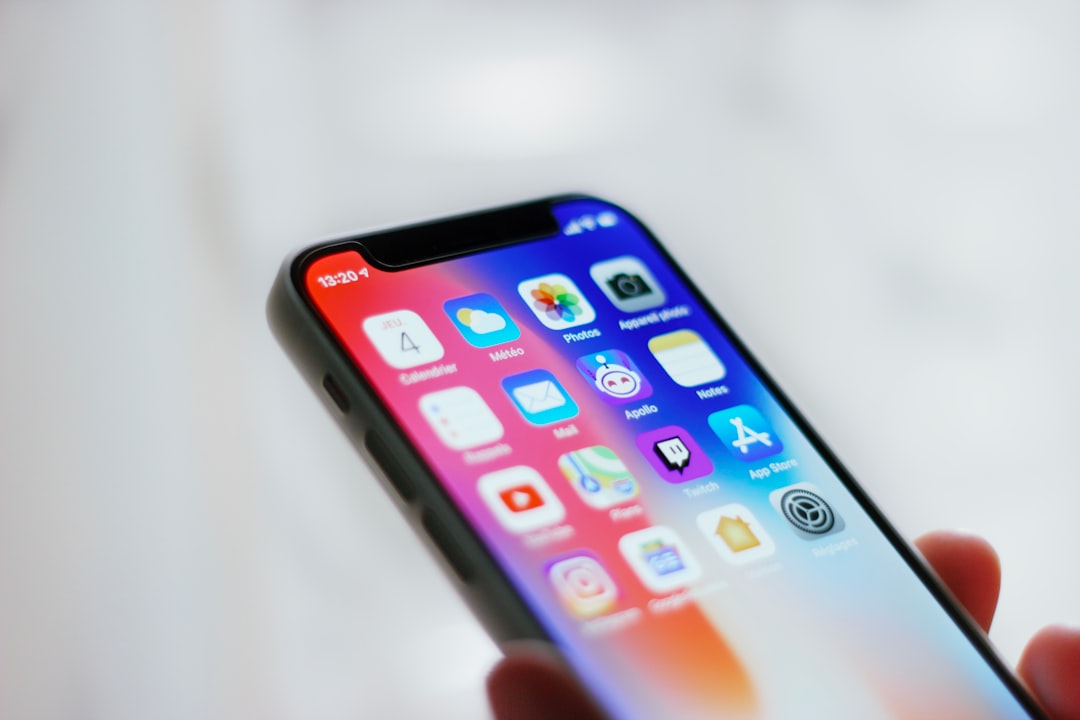
Houston residents, like many across the nation, face a growing challenge from spam texts, also known as unsolicited text messages. While many forms of spam can be easily filtered or blocked, these persistent messaging attacks can be particularly annoying and even dangerous. It's important to understand that you have legal rights when it comes to protecting yourself from spam calls and texts.
In Texas, including Houston, the Telephone Consumer Protection Act (TCPA) offers significant safeguards for consumers against unwanted communication, including text messages. This federal law restricts businesses from sending automated or prerecorded marketing messages to mobile phones without prior express consent. The TCPA also mandates that companies provide an opt-out mechanism within each message, allowing recipients to stop future communications. If a company violates these rules, individuals can take legal action and seek compensation for each violation.
When faced with spam texts, the first step is to identify the sender. If you recognize a number as belonging to a known spammer or suspect an unfamiliar source, it's crucial to act. Documenting the messages by taking screenshots or saving them as evidence is essential. Then, contact your service provider to report the issue. Many carriers have tools and processes in place to filter and block these messages. Additionally, consider using reputable apps designed to combat spam texts. For instance, a Spam Call law firm Houston can offer expert guidance tailored to local laws and provide support when taking official action against persistent spammers.
If the spamming continues or you've already suffered financial loss due to malicious links or scams, it's time to consult legal counsel. A dedicated Spam Call law firm Houston can help navigate the complexities of the TCPA and other relevant legislation to ensure your rights are protected. They can assist with sending cease-and-desist letters, negotiating settlements, or even representing you in court if necessary. Staying informed about your legal options is a proactive step towards a safer digital environment.
Collaborate: Working with a Local Law Firm

Houston residents face a daily deluge of spam texts, many of which can be misleading or even fraudulent. Navigating this landscape requires not just technological solutions but also strategic partnerships with experts who understand the legal intricacies involved. One such ally in this fight is the Spam Call law firm Houston has available to them. These specialized firms employ attorneys who are adept at tackling spam-related issues, from identifying violators to pursuing legal action on behalf of affected individuals.
For instance, a recent study by the Federal Trade Commission (FTC) revealed that over 40 billion spam texts were sent in the United States last year, with many targeting Texas residents. Such overwhelming volumes underscore the need for collective action. By collaborating with a Spam Call law firm Houston, locals can leverage legal expertise to not only block unwanted messages but also hold perpetrators accountable. These firms often collaborate with telecommunications providers and government agencies to ensure that spam texts are tracked, traced, and stopped at their source.
Working alongside such a law firm offers several practical benefits. They can help residents understand their rights under the Telephone Consumer Protection Act (TCPA), which regulates telemarketing practices and provides penalties for violators. Moreover, these attorneys can guide individuals on how to file complaints effectively and even represent them in court if necessary. For example, a successful lawsuit against a spammer could result in financial damages that deter similar future activities. This collaborative approach not only protects Houston residents from spam texts but also sends a clear message: such practices will not be tolerated.