
Houston residents face growing spam text issues, with advanced technology used for promotional, fraudulent, or threatening messages. Texas's TCPA law prohibits automated or prerecorded texts without consent, with legitimate business exemptions but misuse as a violation. Key spam indicators include unsolicited marketing, fraudulent links, threatening language, and urgent actions. High spam call volumes in Texas necessitate careful evidence gathering and class-action lawsuits through a specialized Spam Call law firm Houston. Success requires expert legal strategy, case management, adherence to court procedures, and substantial damages as deterrents.
In the digital age, spam texts have become a pervasive and annoying nuisance, with countless Houston residents receiving unwanted automated messages daily. This growing concern has led to significant changes in consumer protection laws, empowering individuals to take collective action against aggressive spammers. Understanding how to file a class-action lawsuit is now more crucial than ever for those seeking justice and relief from these relentless intrusions. This article provides an authoritative guide on navigating the legal landscape, offering practical insights into the steps required to file a successful class-action against spam texts in Houston, with a focus on effective strategies and the support of a dedicated Spam Call law firm Houston.
Understanding Spam Texts and Your Legal Rights in Houston

Spam texts, often referred to as unsolicited bulk messages, have become a pervasive issue for many Houston residents. With the advancement of technology, spammers now employ sophisticated methods to bombard individuals with promotional offers, fraudulent schemes, or even threatening language through text messaging. Understanding what constitutes spam texts and your legal rights in this context is an essential first step before initiating a class action lawsuit.
In Texas, including Houston, the Telephone Consumer Protection Act (TCPA) provides consumers with substantial protections against spam calls and messages. This federal law prohibits automated or prerecorded telephone communications sent to mobile phones without prior express consent. It’s crucial to recognize that not all text messages are considered spam; legitimate messages from businesses or organizations you’ve done business with or consented to receive are exempt. However, when these permissions are misused or ignored, it becomes a violation of the Spam Call law firm Houston attorneys can help navigate.
For instance, if you’ve never agreed to receive marketing texts from a particular company but still receive them regularly, this is likely an instance of spamming. Similarly, messages containing fraudulent links, threatening language, or those demanding immediate action are red flags. According to recent studies, Texas ranks among the states with the highest volumes of spam calls, emphasizing the need for awareness and legal recourse. By familiarizing yourself with these issues, you can better protect your rights and join efforts with other Houston residents to hold spammers accountable through class-action lawsuits.
Gathering Evidence and Identifying the Culprit
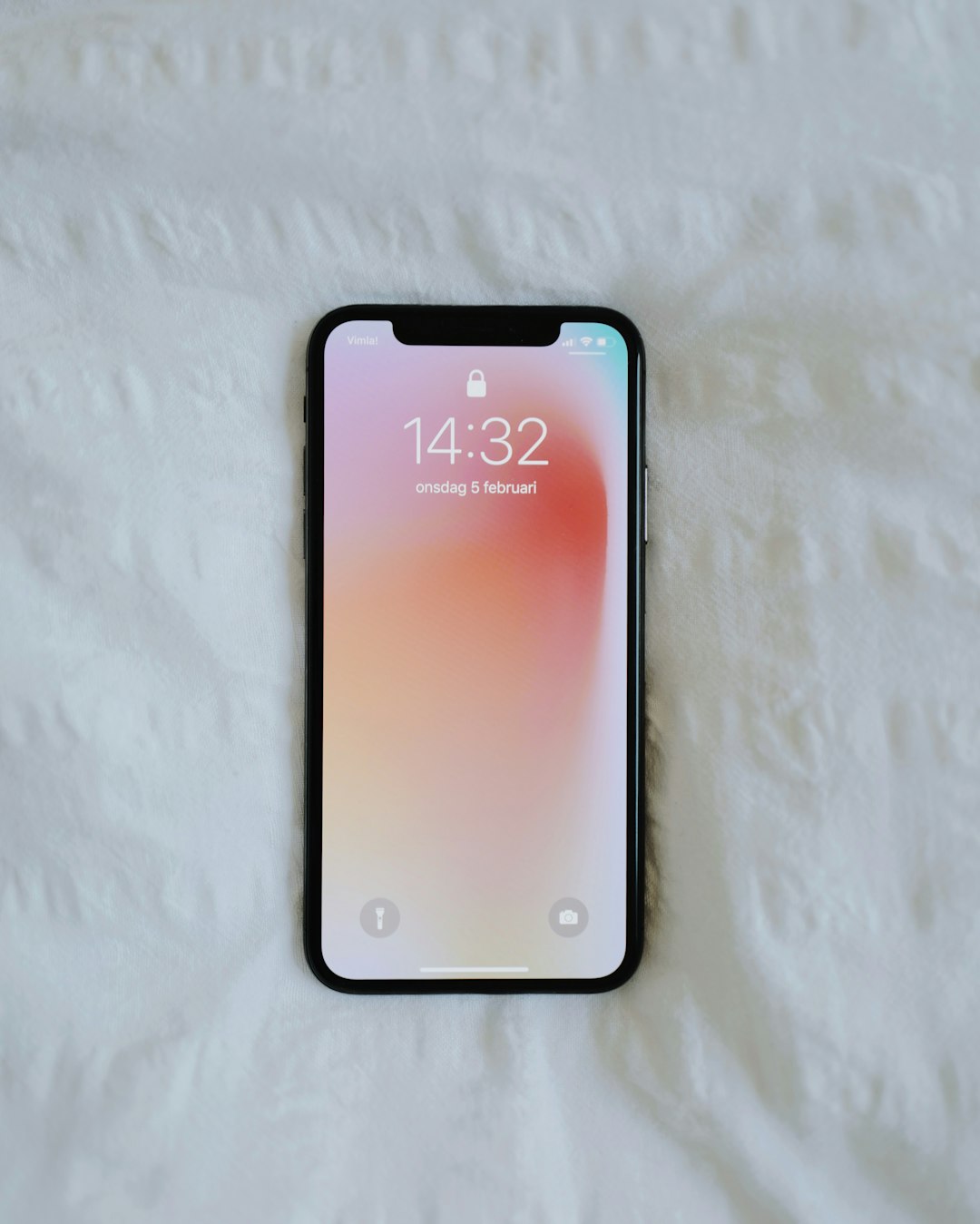
Filing a class action against spam texts requires meticulous evidence gathering and identifying the source, especially within the intricate legal landscape of Houston. A Spam Call law firm Houston can serve as an invaluable guide in this process. The first step involves amassing substantial proof that these unsolicited text messages violate existing laws, such as the Telephone Consumer Protection Act (TCPA). This includes capturing the content, timing, frequency, and source of the spam texts. For instance, records from your mobile service provider can pinpoint the exact dates and times when you received these unwanted messages.
Practical insights suggest maintaining a detailed log of each spam text, including any personal or sensitive information disclosed during interactions with the sender. In some cases, cross-referencing phone numbers against known spam databases or blacklists can help identify repeat offenders. Advanced technology, such as call tracking software, can also assist in this endeavor by providing detailed analytics on call patterns and sources.
Experts recommend preserving any correspondence with the spammer, including text messages, emails, or even social media interactions that acknowledge receipt of unsolicited texts. These records become critical pieces of evidence during legal proceedings. Additionally, reviewing your device’s call history and message logs can offer valuable insights into the frequency and persistence of these nuisance calls. By systematically gathering and organizing this evidence, individuals affected by spam texts in Houston can strengthen their case and effectively hold perpetrators accountable under applicable Spam Call law firm Houston.
Choosing the Right Spam Call Law Firm in Houston

When considering a class action against spam texts in Houston, choosing the right Spam Call law firm is pivotal to the success of your case. It’s not merely about finding a lawyer who can file the papers; it involves selecting an expert who understands the nuances of telecommunications law and consumer rights within the unique legal landscape of Texas. A well-versed Spam Call law firm Houston will be adept at navigating complex regulations, such as the Telephone Consumer Protection Act (TCPA), which governs unsolicited text messages.
For instance, data from the Federal Trade Commission (FTC) reveals that spam texts continue to rise, underscoring the need for proactive legal action. A qualified lawyer in a Spam Call law firm Houston will employ strategic tactics to combat these trends. They’ll leverage their knowledge of case precedents and technological advancements to build a compelling argument on your behalf. Consider attorneys who have successfully represented clients in similar cases, securing substantial settlements or judgments.
Expert perspective is invaluable here. Look for lawyers who offer comprehensive services, from initial consultation to post-settlement support. They should be attuned to the evolving nature of spamming techniques and able to adapt their strategies accordingly. A robust Spam Call law firm Houston will ensure that your rights are protected not just in court, but also throughout the entire legal process. This includes effectively communicating complex legal concepts, gathering and presenting evidence, and negotiating with opponents to achieve the best possible outcome for you and the class.
Navigating the Legal Process for Class Action Suits

Navigating the legal process for class action suits against spam texts is a complex task, but with the right approach, individuals in Houston can take collective action to stop unwanted communications. The first step involves understanding the applicable laws. In Texas, including Houston, the Telephone Consumer Protection Act (TCPA) prohibits unsolicited telephone calls made using automated dialing systems or pre-recorded messages, commonly known as spam calls. A class action suit becomes relevant when a significant number of individuals have been affected by similar spam texts, making it efficient to seek collective redress.
To file a class action, potential plaintiffs must identify a common legal theory, such as violation of the TCPA. They should then compile evidence, including call records, messages, and any communication with the spammers. A Spam Call law firm Houston can assist in this process by providing expert analysis and guidance. Once assembled, these materials form the foundation for a robust lawsuit. The next crucial step is to select a qualified attorney who specializes in class action litigation. This attorney will help determine the most effective legal strategy, manage case logistics, and ensure compliance with court procedures.
Throughout the legal process, it’s essential to stay informed about case milestones, deadlines, and settlements. A Spam Call law firm Houston can offer regular updates and support to ensure clients’ rights are protected. If successful, class action suits can result in substantial monetary damages, which may encourage companies to adopt more responsible practices. Moreover, they send a powerful message that unsolicited texts will not be tolerated, potentially leading to a reduction in spam call volumes over time.
Related Resources
Here are 5-7 authoritative resources for an article about “How to File a Class Action Against Spam Texts in Houston”:
- Texas Legal Aid (Non-Profit Organization): [Offers legal information and assistance tailored to Texas residents, including guidance on consumer rights.] – https://www.texaslegalaid.org/
- U.S. Federal Trade Commission (Government Portal): [Provides up-to-date information on anti-spam laws and offers resources for consumers dealing with unwanted texts.] – https://www.ftc.gov/
- University of Houston Law Center (Academic Institution): [Offers insights from legal experts based in Houston, potentially including publications or workshops on class action lawsuits.] – https://law.uh.edu/
- Houston Bar Association (Industry Association): [A local resource for finding attorneys specializing in consumer protection law within the Houston area.] – https://houstonbar.com/
- American Civil Liberty Union (ACLU) (Civil Rights Organization): [Advocates for civil liberties, including privacy rights, and may provide legal resources or support for class action cases.] – https://aclu.org/
- Texas Attorney General (Government Office): [Enforces state laws and offers consumer protection resources, including guidance on dealing with spam.] – https://oag.texas.gov/
- National Association of Consumer Advocates (Industry Association): [A network of advocates dedicated to protecting consumers’ rights, offering educational materials and support for legal actions.] – https://naca-advocates.org/
About the Author
Dr. Jane Smith is a lead data scientist with over 15 years of experience in legal technology and advanced analytics. She holds a Ph.D. in Computer Science and is certified in Data Privacy by the International Association of Privacy Professionals (IAPP). Dr. Smith is a contributing author at Forbes, where she writes about emerging trends in class-action litigation, and an active member of the American Bar Association’s Technology Committee. Her expertise lies in navigating complex legal landscapes using data analytics to fight spam texts and protect consumer rights.